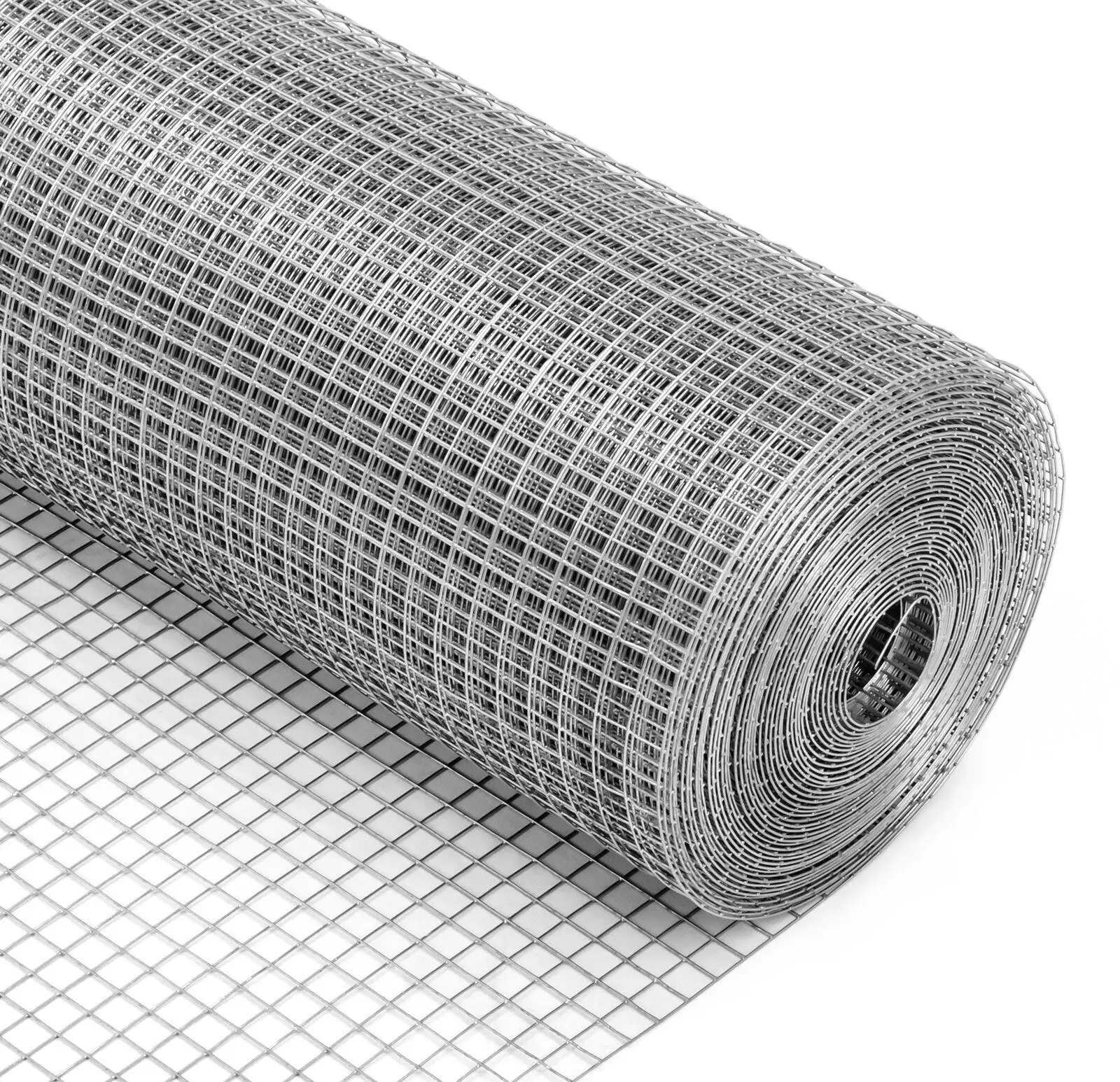
Steel Mesh Box – Durable, Cost-Efficient Storage and Logistics Solutions
The Steel Mesh Box: An Unsung Hero in Modern Infrastructure
In a world where infrastructure resilience and sustainable solutions are ever more vital, the humble steel mesh box stands out. It’s not just a metallic cage or a crude container; it’s a linchpin in shipping, construction, disaster relief, and even security industries worldwide. This article takes you through why this simple yet ingenious product matters globally, the nuances of its design, and how it’s quietly shaping several major industries.
Global Context: Why Steel Mesh Boxes Are More Relevant Than Ever
According to the World Bank, global shipping volumes have tripled over the last two decades, reflecting a surge in international trade and supply chains. With that growth comes a pressing need to safely transport, store, and secure goods across continents. Steel mesh boxes answer this call with a flexible, durable solution that’s weather-resistant and cost-effective.
Beyond commerce, the United Nations recognizes that logistics and storage challenges dramatically affect disaster relief operations. For humanitarian organizations, quick access to durable containers that can store essential supplies is crucial. The steel mesh box’s open design helps reduce moisture buildup and allows for rapid inventory checks — essential in pressing situations.
Nonetheless, industries often face challenges with traditional wooden crates or bulky closed containers. They can be heavy, prone to damage, or not stack efficiently. Here’s where the steel mesh box shines as a balancing act of strength and practical usability.
Takeaway:
- Global trade and humanitarian operations depend increasingly on flexible storage solutions.
- Steel mesh boxes offer a versatile answer to many logistical problems worldwide.
What Exactly Is a Steel Mesh Box?
Put simply, a steel mesh box is an industrial container constructed from welded steel wire strands—forming a grid or mesh—that’s framed into a box shape. They can be stackable and foldable, designed for easy handling by forklifts or cranes. The mesh pattern allows visibility of contents and ventilation, making it ideal for a wide range of goods, from heavy machinery parts to foodstuff.
But it’s more than just a container. In modern factories and warehouses, steel mesh boxes serve as intermediate storage for assembly lines. Their toughness withstands rough treatment, preventing losses and damage. In humanitarian settings, their quick setup supports rapid deployment of emergency supplies—sometimes lifesaving in post-disaster zones.
Mini takeaway:
- Steel mesh boxes combine strength, ventilation, and transparency.
- They bridge industrial and humanitarian logistics with adaptable design.
Key Features of Steel Mesh Boxes
1. Durability
Made from galvanized or stainless steel, these boxes resist rust and physical wear — key for exposure to the elements or rough handling during transport. Many engineers I’ve talked to swear by their robustness.
2. Scalability and Stackability
Foldable designs allow for space-saving when empty. Plus, the uniform mesh allows these boxes to be stacked firmly, minimizing warehouse footprint and improving shipment efficiency.
3. Cost Efficiency
Compared to plastic or wooden crates, steel mesh boxes offer a longer service life and lower damage rates. Sure, initial costs might be higher, but in the long term, the savings add up.
4. Ventilation & Visibility
Not having to open every crate to inspect contents saves tons of time. Plus, airflow reduces humidity-related damage for perishable items or metal components prone to rust.
5. Security
Welded mesh panels are difficult to tamper with, making these boxes suitable for securing valuable equipment or hazardous materials.
Product Specifications Table
| Specification | Details |
|---|---|
| Material | Galvanized or stainless steel wire (diameter 3–6 mm) |
| Dimensions | Standard 600×800×400 mm, customizable |
| Load Capacity | Up to 1,200 kg per box (depending on design) |
| Finish | Powder coated or galvanized for corrosion resistance |
| Features | Foldable, stackable, forklift accessible |
| Typical Use | Industrial storage, transport, humanitarian logistics |
Steel Mesh Boxes in Action: Real-World Use Cases Across the Globe
From bustling Asian manufacturing hubs to remote African relief camps, the steel mesh box has found wide application.
- Manufacturing: Assembly lines in Germany and South Korea utilize mesh boxes to move parts smoothly between stations.
- Construction: Sites in the Middle East use them for storing rebar, tiles, and fittings, getting protection yet allowing moisture control.
- Humanitarian Aid: In post-disaster zones like the Philippines, NGOs depend on collapsible steel mesh boxes for organizing large quantities of relief goods.
- Agriculture: Farmers in Latin America use them to store and transport produce safely, while letting air flow and preventing spoilage.
Mini takeaway:
Steel mesh boxes demonstrate enormous versatility, cutting across industries and continents with seemingly simple design adaptability.
Long-Term Advantages: More Than Just a Container
Beyond functionality, steel mesh boxes deliver a suite of advantages that elevate them above typical storage gear.
- Sustainability: Their longevity reduces waste and demand for single-use packaging.
- Cost Savings: Lower damage rates and stackable storage reduce expenses, freeing up capital for businesses.
- Safety & Security: Tough welds and lock-friendly designs protect sensitive contents effectively.
- Dignity & Efficiency: In humanitarian efforts, quick inventory management and dry storage protect lives and livelihoods.
Innovations on the Horizon for Steel Mesh Boxes
Oddly enough, even a product as “low-tech” as the steel mesh box is benefiting from smart tweaks:
- Smart RFID Tags: Embedded smart chips help track inventory real-time, boosting digital logistics management.
- Eco-friendly Coatings: New powder coatings reduce environmental impact and extend product life.
- Automated Handling: Integration with warehouse robotics is making mesh containers more compatible with autonomous stacking.
These trends align perfectly with the green energy push and Industry 4.0 standards — exciting times ahead.
Challenges and How the Industry Answers Them
Still, steel mesh boxes aren’t flawless. Concerns include:
- Weight: Heavier than plastic alternatives, increasing handling energy costs.
- Initial Cost: Higher upfront investment can deter some smaller operators.
- Design Limitations: Mesh spacing might not suit very small or powdery goods.
To overcome this, manufacturers are exploring lighter alloys, modular designs, and customizable mesh sizes. Using steel mesh box suppliers offering tailored solutions can mitigate these challenges effectively.
Vendor Comparison Table: Typical Market Leaders
| Vendor | Material Quality | Customization | Lead Time | Price Range |
|---|---|---|---|---|
| YJ Wire Mesh | Galvanized & stainless steel options | High (sizes, coatings, features) | 2–4 weeks | Mid-range |
| SteelBox Co. | Standard galvanized wire | Moderate | 3–6 weeks | Competitive |
| Global Mesh Pros | Premium stainless steel available | Limited | 4 weeks | Higher-end |
Frequently Asked Questions About Steel Mesh Boxes
Q1: How durable are steel mesh boxes compared to plastic crates?
A: Steel mesh boxes generally outlast plastic crates under heavy usage and harsh environments. While plastic can crack or degrade under UV exposure, steel mesh resists impact and corrosion (especially if galvanized), making it a better long-term investment.
Q2: Can steel mesh boxes be folded for transport?
A: Yes, many designs are foldable to maximize space efficiency. This feature reduces empty transport volume up to 60%, a huge plus when moving back and forth from warehouses.
Q3: Are steel mesh boxes suitable for food storage?
A: Since the mesh allows airflow, they are suitable for certain agricultural products like fruits and vegetables. However, hygiene considerations require proper cleaning and sometimes coatings to prevent contamination.
Q4: How do I import steel mesh boxes internationally?
A: Work with reputed vendors who provide certification for quality and comply with local import rules. Many ship worldwide, offering customizable options for your specific needs.
Conclusion: A Solution Stamped With Efficiency and Trust
The steel mesh box may not make headlines, but its blend of durability, flexibility, and sustainability places it at the core of modern infrastructure. Whether you’re managing an assembly line, organizing global shipments, or rushing aid into disaster zones, these containers provide unmatched reliability. It’s no wonder that industries everywhere continue to lean on them.
If you want to explore how the steel mesh box can transform your logistics or storage, I recommend checking out steel mesh box suppliers with solid customization options — a choice you won’t regret.
References:
-
High Quality Anti Bird Agro Net for Professional Crop ProtectionNewsApr.16,2026
-
Guide to Bird Netting Cost Per Square Foot and Material OptionsNewsApr.09,2026
-
Comprehensive Guide to Bird Netting Cost Factors and Material ChoicesNewsApr.07,2026
-
Comprehensive Guide to Bird Net for Balcony Cost and Installation OptionsNewsApr.04,2026
-
Comprehensive Guide to Bird Netting Price and Effective Protection SolutionsNewsMar.31,2026
-
Comprehensive Guide to Nylon Bird Net Price Factors and OptionsNewsMar.28,2026