Stainless Steel Wire Fabric: Durable, Sustainable Solutions Worldwide
Understanding Stainless Steel Wire Fabric: Global Significance and Practical Benefits
Stainless steel wire fabric is one of those specialized materials that quietly powers a vast array of industries worldwide. It might not grab headlines, but its role in infrastructure, safety, and even humanitarian applications is undeniably vital. You see, its unique properties—chiefly durability and corrosion resistance—make it a go-to for countless projects globally, from high-rise construction to environmental protection. Understanding stainless steel wire fabric, therefore, helps us appreciate a foundational technology preventing failures, saving costs, and ultimately, supporting safer living conditions all over the planet.
Introduction: The Global Context of Stainless Steel Wire Fabric
Globally, the construction and manufacturing sectors have seen steady growth, largely driven by urbanization and industrial development. According to the ISO, stainless steel production has steadily increased, with an estimated 50 million metric tons produced worldwide in recent years. Within that framework, stainless steel wire fabric acts as a critical component for reliability and safety. For example, in coastal environments exposed to saltwater, traditional steel fails prematurely, causing costly repairs and safety hazards. Stainless steel wire fabric addresses this challenge by resisting corrosion and extending structural lifespans. This solves a basic yet expensive problem - how to build long-lasting structures in harsh conditions.
Defining Stainless Steel Wire Fabric
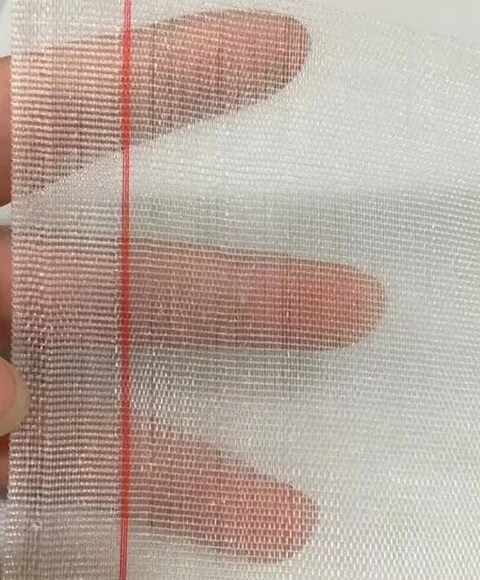
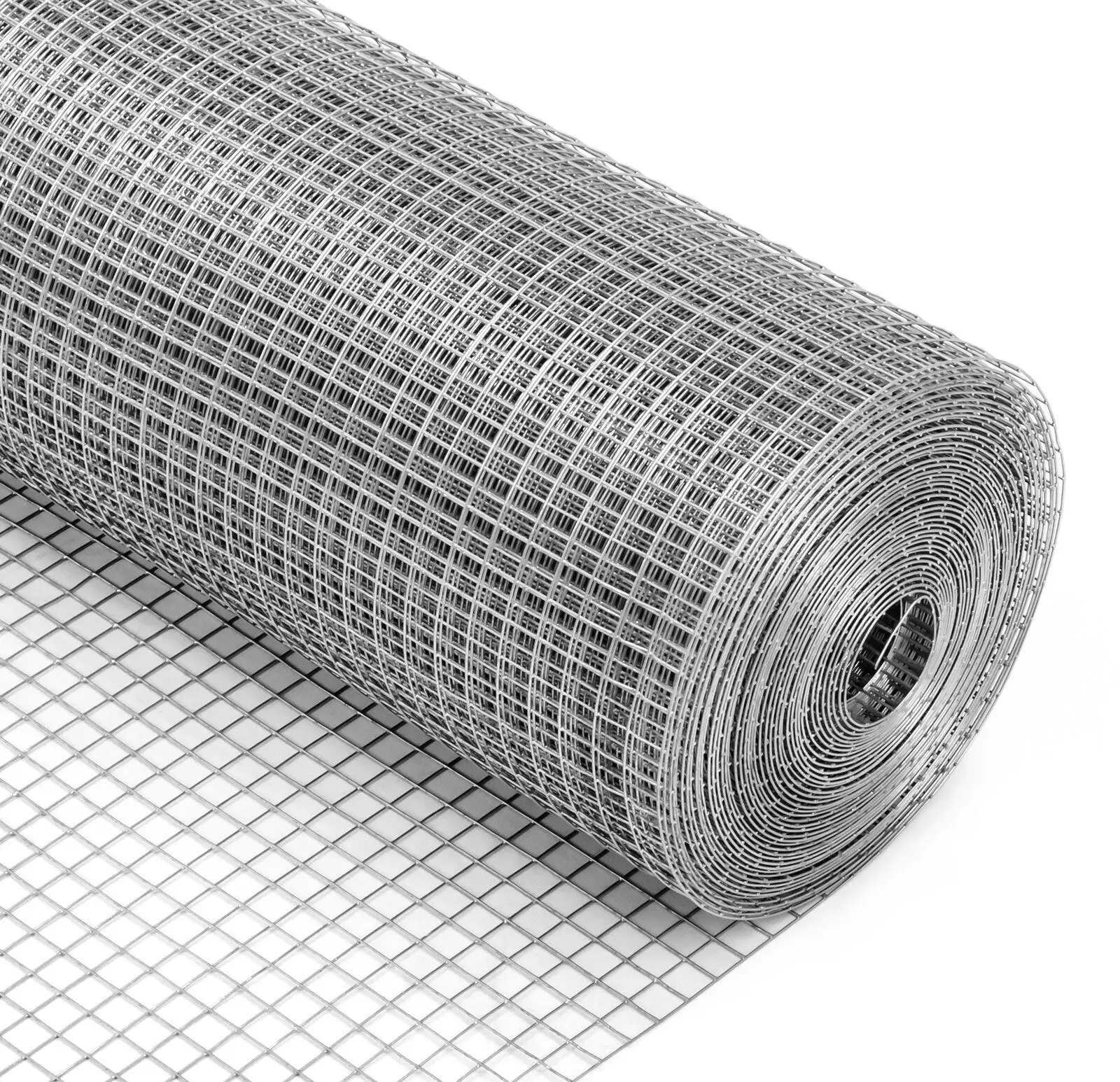
Simply put, stainless steel wire fabric is a mesh made by weaving or welding stainless steel wires into sheets or rolls. These fabrics vary in wire diameter, mesh size, and weave style, tailored to different needs. It’s like the tough, flexible screen door of industrial materials, providing strength without compromising airflow or visibility. In modern industry, it’s used in construction (reinforcing concrete, fencing), filtration, and even in humanitarian projects such as disaster relief shelters, where resilience and quick assembly matter.
Core Components and Key Factors
Durability and Corrosion Resistance
One of the standout features of stainless steel wire fabric is its resistance to rust and degradation. Unlike regular steel, it withstands moisture, chemicals, and high temperatures, which makes it ideal for both indoor and outdoor applications.
Scalability and Customization
Whether it’s fine mesh for filtration or large-scale welded grids for structural reinforcement, stainless steel wire fabric can be customized extensively. This scalability means it fits everything from small-scale architectural projects to massive infrastructure works.
Cost Efficiency Over Lifetime
Although the upfront cost might be higher compared to conventional wire meshes, the longer service life and reduced maintenance translate to better overall value, especially in sectors sensitive to downtime and repairs.
Versatility and Application Range
From filtering machines in the food processing industry to secure fencing around sensitive zones, the adaptability of stainless steel wire fabric is impressive. The flexibility in design means it meets diverse functional demands.
Takeaway: Stainless steel wire fabric combines durability, adaptability, and long-term cost benefits, making it indispensable across many industries worldwide.
Product Specifications: Typical Stainless Steel Wire Fabric
| Specification | Details |
|---|---|
| Material Grades | 304, 316, 316L (common corrosion resistant grades) |
| Wire Diameter | 0.15 mm – 3.0 mm |
| Mesh Size | 0.5 mm – 50 mm openings |
| Finishes | Mill finish, polished, coated |
| Dimensions | Roll width up to 2m, length variable |
Global Applications and Real-World Use Cases
- Infrastructure and Construction: Used as reinforcement mesh in concrete for bridges and tunnels, especially in saltwater-exposed areas such as coastal cities in Southeast Asia.
- Filtration Industry: Stainless steel wire fabric filters are common in pharmaceuticals and food production lines in Europe and North America.
- Disaster Relief: NGOs use stainless steel wire fabric for temporary fencing and secure enclosures in disaster-prone regions of Africa.
- Energy Sector: In wind and solar farms, the fabric protects equipment and supports sustainable energy goals globally.
Advantages and Long-Term Value
Let’s face it—when you’re investing in materials for crucial projects, you want assurance. Stainless steel wire fabric offers that reassurance. It saves money over decades, thanks to minimal corrosion issues and ease of maintenance. Emotionally, it fosters trust: builders and owners know the material won’t let them down when weather intensifies or time passes.
Socially, using such durable materials contributes to safer environments and can improve the dignity of living conditions in vulnerable regions, a subtle but meaningful impact.
Innovations and Future Trends
Though a well-established material, stainless steel wire fabric continues to evolve. Innovations include combining stainless steel with smart coatings to improve anti-graffiti and self-cleaning properties. Besides, digital scanning and automated weaving are improving precision manufacturing, reducing waste.
On the sustainability front, recycling stainless steel is standard, and advances in production lower the carbon footprint. Looking forward, these trends align naturally with green infrastructure and circular economy principles.
Challenges and Practical Solutions
Not everything is perfect, of course. Stainless steel wire fabric can require significant upfront investment, which may deter smaller businesses or underfunded projects. Additionally, supply chain disruptions occasionally affect availability, especially amid geopolitical uncertainties.
Solutions? Bulk purchasing, partnerships with trusted suppliers, and flexible design standards can mitigate these. Choosing stainless steel wire fabric vendors carefully also helps ensure timely delivery and quality.
Vendor Comparison: Leading Stainless Steel Wire Fabric Suppliers
| Supplier | Product Range | Customization Options | Global Reach | Reputation / Certification |
|---|---|---|---|---|
| YJ Wire Mesh | Wide (various grades & sizes) | Highly customizable | Strong worldwide | ISO 9001, SGS certified |
| GlobalMesh Inc. | Moderate (focus on industrial) | Limited customization | Primarily US & Europe | ISO 14001 certified |
| SteelGrid Co. | Comprehensive (construction focus) | Moderate customization | Asia Pacific region | ISO certified |
Frequently Asked Questions About Stainless Steel Wire Fabric
Q1: How does stainless steel wire fabric improve structural safety in harsh environments?
A1: Its corrosion resistance and strength prevent rust-induced weakening. In marine or industrial settings, this stability reduces structural degradation, extending safe service life significantly.
Q2: Can stainless steel wire fabric be recycled effectively?
A2: Yes, one of stainless steel’s most sustainable features is that it’s fully recyclable without performance loss. Recycling stainless steel wire fabric reduces waste and conserves resources.
Q3: What industries most commonly use stainless steel wire fabric?
A3: Construction, manufacturing, food and beverage processing, filtration, and energy sectors all rely heavily on stainless steel wire mesh for their durability and hygienic qualities.
Q4: Is stainless steel wire fabric difficult to customize?
A4: Not really. Most manufacturers offer a range of customizable options, including mesh size, wire thickness, and finish, allowing the fabric to meet specific project requirements.
Conclusion and Call to Action
In real terms, stainless steel wire fabric represents a smart investment in the longevity and safety of industrial applications worldwide. It’s a small piece of technology that quietly supports sustainable and resilient development globally. If you’re intrigued by how this material can solve your project challenges, I encourage you to explore options with trusted suppliers like YJ Wire Mesh. There, you’ll find detailed expertise tailored to your exact needs—helping you build better, smarter, and for the long haul.
Reflecting on all this, it seems stainless steel wire fabric isn’t just metal mesh — it’s a kind of backbone for modern infrastructure. Durable, adaptable, and often overlooked, but always essential.
References
-
High Quality Anti Bird Agro Net for Professional Crop ProtectionNewsApr.16,2026
-
Guide to Bird Netting Cost Per Square Foot and Material OptionsNewsApr.09,2026
-
Comprehensive Guide to Bird Netting Cost Factors and Material ChoicesNewsApr.07,2026
-
Comprehensive Guide to Bird Net for Balcony Cost and Installation OptionsNewsApr.04,2026
-
Comprehensive Guide to Bird Netting Price and Effective Protection SolutionsNewsMar.31,2026
-
Comprehensive Guide to Nylon Bird Net Price Factors and OptionsNewsMar.28,2026