Steel Building Mesh: Essential Guide to Durable & Sustainable Construction
Understanding Steel Building Mesh: The Backbone of Modern Construction
Steel building mesh—oddly enough—is one of those unsung heroes in construction and infrastructure development. At first glance, it might seem like just another metal grid, but it plays a crucial role globally, particularly in ensuring safety, sustainability, and efficiency in building projects. Whether it’s reinforcing concrete structures or serving as protective barriers, steel mesh has become indispensable. Given the rapid push for resilient and eco-conscious architecture worldwide, understanding steel building mesh is not only timely—it’s essential.
Global Context: Why Steel Building Mesh Matters Now More Than Ever
The global construction sector is booming, expected to hit a staggering $15.5 trillion by 2030, according to the World Bank. Within this gigantic growth, steel building mesh finds itself at the crossroads of innovation and necessity. Especially in regions prone to natural disasters or rapid urban expansion, the mesh addresses problems like structural failure and inefficient building processes. For example, with concrete structures failing under seismic stress, steel mesh reinforcement dramatically improves stability, saving lives and costs.
Moreover, the United Nations has spotlighted sustainable infrastructure as pivotal for achieving its sustainable development goals (SDGs). Steel mesh, being recyclable and durable, aligns well with these goals—so it’s not merely a construction accessory but a global enabler.
What Exactly Is Steel Building Mesh?
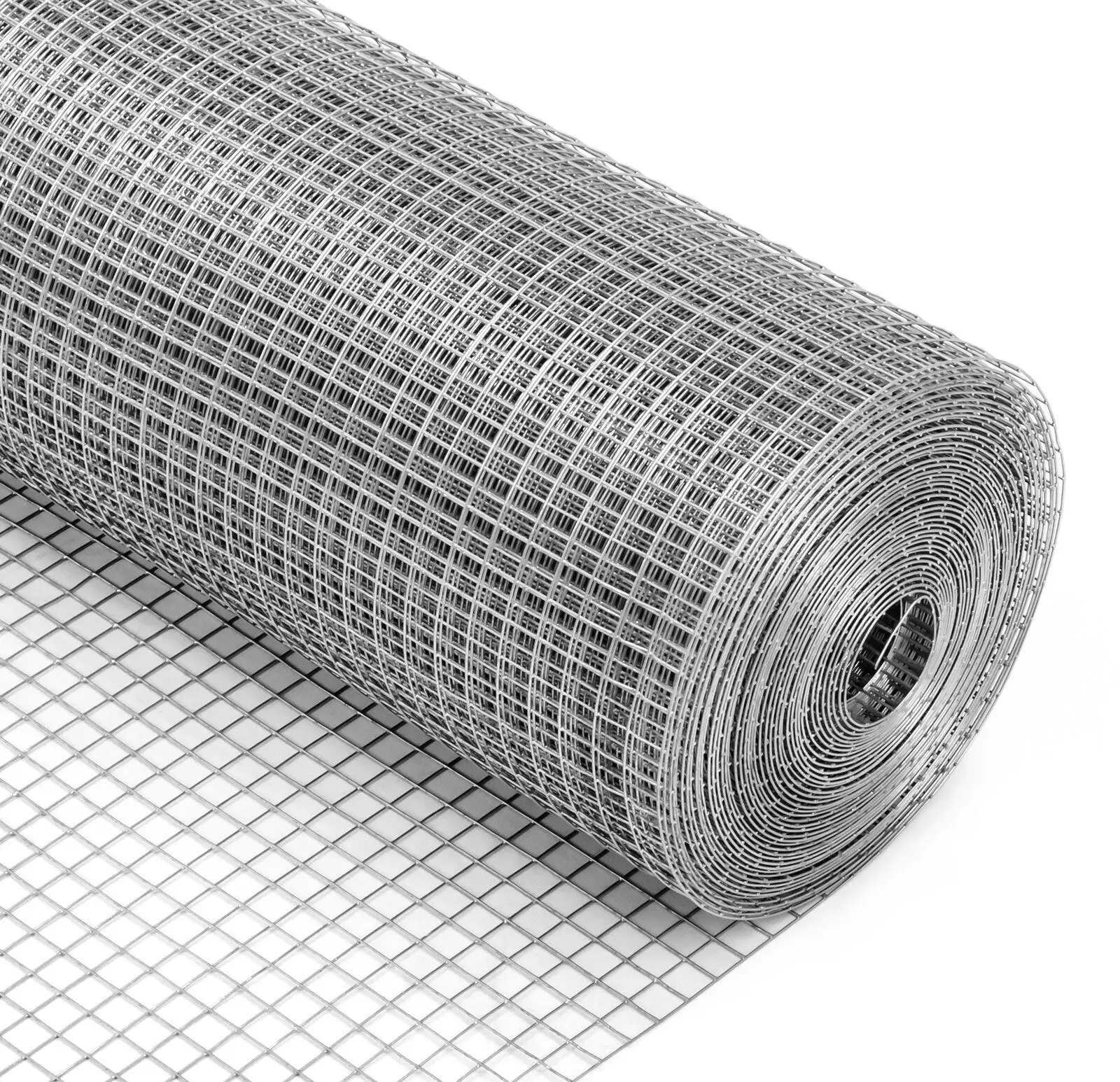
Simply put, steel building mesh is a grid-like structure made of steel wires or rods, woven or welded to form a mesh sheet. It’s used primarily to reinforce concrete and provide structural integrity. If you think of a skeleton providing form and strength to a body, steel mesh acts as that supportive framework inside concrete walls, slabs, or roofs.
This mesh is essential in modern industry as it helps buildings withstand external forces—be that time, weather, or natural disasters. From emergency shelters in humanitarian aid to industrial warehouses in remote areas, the steel mesh’s role spreads wide and deep.
Key Features of Steel Building Mesh
Durability
Steel mesh is made from high-tensile steel, often galvanized or coated to resist corrosion. This makes it suitable for long-term use in varying environments, even coastal or humid areas where rust is a concern.
Flexibility & Scalability
It comes in different mesh sizes and thicknesses, making customization easy. Whether you need fine mesh for a façade or heavy-duty mesh for structural beams, there’s a type to fit the need.
Cost Efficiency
Though initially pricier than alternative materials, steel mesh reduces long-term costs due to lower maintenance and repair needs. Plus, it speeds up the construction timeline because of its ease of use and prefab availability.
Sustainability
Most steel building mesh is made from recycled steel and is itself recyclable, supporting circular economy principles—critical in today’s fight against carbon emissions.
Safety & Compliance
Steel mesh complies with international building codes like ISO 6935, ensuring it meets safety standards across global markets.
Steel Building Mesh Specifications Snapshot
| Specification | Description |
|---|---|
| Material | High-tensile galvanized steel wire |
| Mesh Size | 25mm x 25mm to 150mm x 150mm |
| Wire Diameter | 3.0mm to 12mm |
| Sheet Size | 2.4m x 12m standard (custom lengths available) |
| Coating | Galvanized, PVC coating optional |
| Standards | ISO 6935, ASTM A1064 |
Global Applications & Use Cases of Steel Building Mesh
From skyscraper construction in Asia to earthquake-resistant housing in Latin America, steel building mesh is everywhere. In humanitarian quarters, NGOs favor steel mesh reinforced concrete for quick-deploy shelters—offering refugees safer, more durable homes. Additionally, industrial hubs in Africa and Australia use it extensively for warehouses and factories, where ruggedness against harsh environments is key.
- Post-Disaster Relief Operations: Rapidly erecting structural frameworks for temporary and semi-permanent housing.
- Urban Infrastructure: Reinforcing bridges and highway expansions to cater to growing populations.
- Industrial Facilities: Steel mesh used as safety barriers, fences, and reinforcements ensuring operational continuity.
It’s worth noting the synergy between steel mesh and sustainable initiatives, where this material helps reduce waste and enhances building lifecycle.
Comparing Leading Steel Building Mesh Vendors
| Vendor | Material Quality | Customization | Lead Time | Eco-Credentials |
|---|---|---|---|---|
| GlobalMesh Inc. | Galvanized steel, ISO certified | Wide (sizes/coatings) | 2 weeks | Uses 80% recycled steel |
| SteelGrid Solutions | High tensile wire, ASTM A1064 | Moderate | 1.5 weeks | ISO 14001 certified |
| EcoSteel Mesh | Eco-friendly coatings, recycled content | Limited | 3 weeks | 90% recycled steel, carbon-neutral production |
Advantages and Long-Term Value of Steel Building Mesh
When you think about it, steel mesh is not just about physical strength. It embodies trust—trust in engineers, architects, and community planners. It offers safety to occupants, reduces environmental impact through recyclability, and ultimately contributes to resilient, cost-effective structures.
Logically, it cuts down on repair costs and time delays. Emotionally, it gives peace of mind knowing buildings withstand natural events better. In terms of innovation, its adaptability means it keeps pace with emerging tech in construction like 3D-printed concrete frameworks.
Future Trends and Innovations
The future of steel building mesh is closely intertwined with green building trends and digitization. Think automated mesh fabrication with robots improving precision and cutting waste. Also, advances in coatings—bio-based and ultra-durable—are set to enhance corrosion resistance without toxic chemicals.
Beyond that, integration with Building Information Modelling (BIM) allows architects and engineers to simulate mesh performance digitally before onsite installation, which is frankly a game-changer. Industry experts also see smart steel mesh embedded with sensors to monitor structural health in real-time emerging soon.
Challenges & Practical Solutions
Of course, steel building mesh is not without challenges. Corrosion remains a concern in extreme environments, and sometimes the initial investment can deter smaller builders. But innovations like advanced coatings and modular prefab mesh panels are addressing these issues.
Custom fabrication combined with better supply chain logistics helps reduce lead times. Education and technical support for end-users are also pivotal in ensuring correct mesh application—because wrong installation can compromise the entire structure.
FAQ: Common Questions About Steel Building Mesh
- Q: How long does steel building mesh typically last in construction?
A: With proper coating and maintenance, it can last 50+ years, especially if galvanized or PVC-coated to resist rust. Details depend on the environmental conditions and installation quality. - Q: Is steel building mesh suitable for earthquake-prone areas?
A: Absolutely. It reinforces concrete structures by holding cracks together and distributing stresses, greatly enhancing seismic resistance. - Q: Can steel building mesh be recycled?
A: Yes, steel mesh is fully recyclable and often made from recycled steel itself, supporting sustainability efforts in construction. - Q: How customizable is steel building mesh for different projects?
A: Very customizable. Vendors offer various mesh sizes, wire diameters, and coatings tailored to structural needs or aesthetic requirements. - Q: What’s the best way to source steel building mesh internationally?
A: Partnering with reputable vendors who comply with export standards is key. Certifications like ISO and ASTM ensure product quality and smooth customs clearance.
Conclusion: The Long-Term Benefits of Steel Building Mesh
To wrap up, steel building mesh is foundational to safer, more sustainable, and efficient buildings worldwide. Its combination of strength, adaptability, and eco-friendliness makes it indispensable in today’s fast-evolving construction world. For anyone involved in the infrastructure sector, it’s worthwhile to explore the latest steel mesh products and solutions.
For more expert insights and high-quality steel mesh products, visit our site at steel building mesh. You’ll find options tailored to your project’s needs, backed by global standards and innovative technology.
Takeaway: Steel building mesh isn’t just metal gridwork—it’s a cornerstone of resilient and sustainable construction shaping tomorrow’s infrastructure.
-
High Quality Anti Bird Agro Net for Professional Crop ProtectionNewsApr.16,2026
-
Guide to Bird Netting Cost Per Square Foot and Material OptionsNewsApr.09,2026
-
Comprehensive Guide to Bird Netting Cost Factors and Material ChoicesNewsApr.07,2026
-
Comprehensive Guide to Bird Net for Balcony Cost and Installation OptionsNewsApr.04,2026
-
Comprehensive Guide to Bird Netting Price and Effective Protection SolutionsNewsMar.31,2026
-
Comprehensive Guide to Nylon Bird Net Price Factors and OptionsNewsMar.28,2026