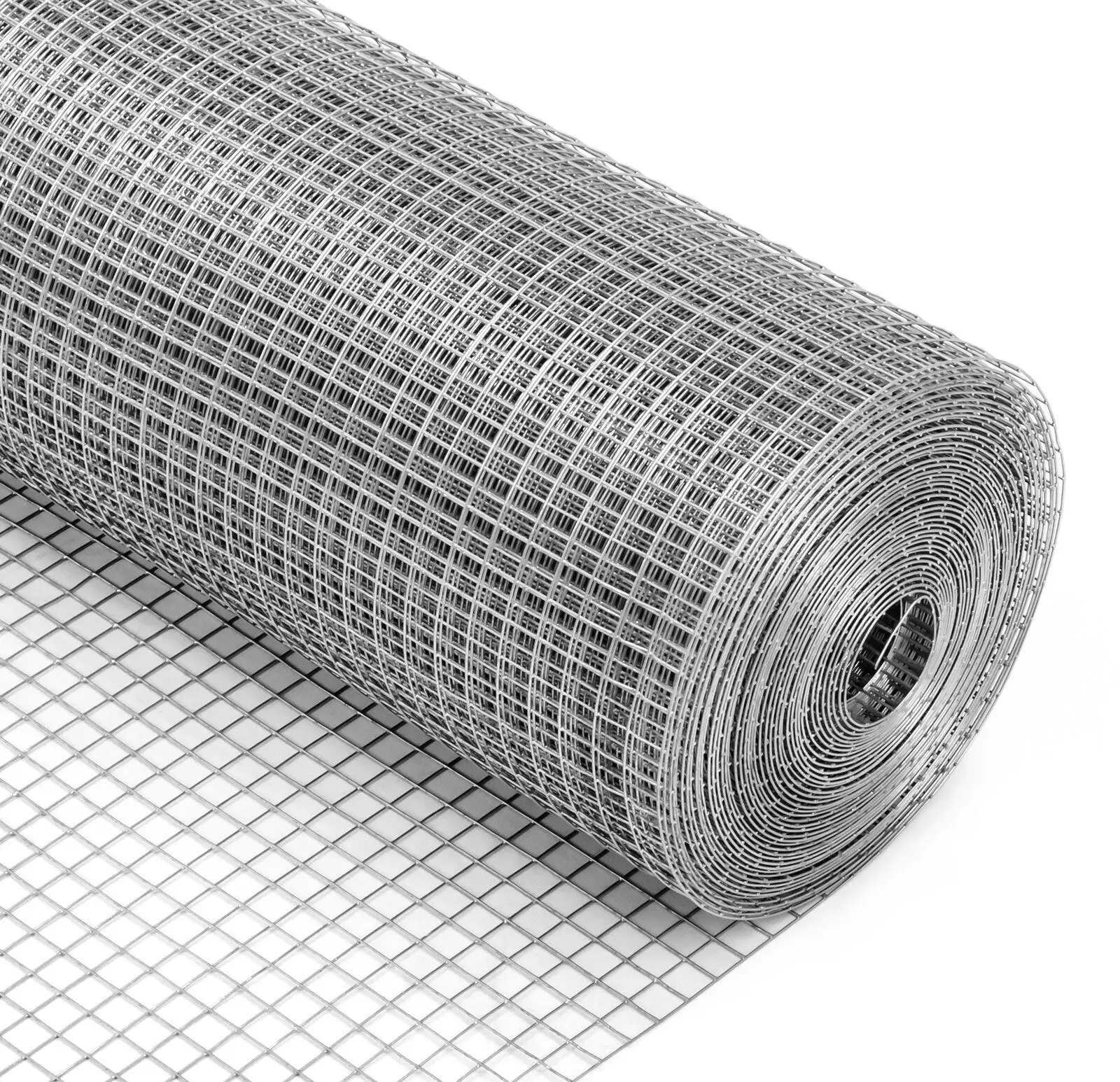
Steel Wire Mesh for Concrete: Strengthening Global Infrastructure and Sustainability
Understanding Steel Wire Mesh for Concrete: Why It Matters Globally
When diving into modern construction and infrastructure development, one material quietly plays a starring role: steel wire mesh for concrete. At first, it sounds like an industrial afterthought—just grids of metal designed to hold concrete together. But the truth is, this mesh serves as a backbone for everything from highways to high-rises, and even emergency shelters after natural disasters. Globally, its use is growing rapidly as nations push for more durable, sustainable, and cost-effective building methods. Whether you’re an engineer looking to optimize structural integrity or a humanitarian agency working on rapid shelter solutions, an understanding of steel wire mesh is surprisingly crucial.
Beyond its mechanical strength, steel wire mesh influences economic, environmental, and social outcomes worldwide—impacting safety standards, reducing material waste, and expediting construction times. Oddly enough, it’s the sort of “unsung hero” whose shaping hand touches lives everywhere.
A Global Snapshot: Why Steel Wire Mesh is Key in Construction
According to ISO standards and data from the World Bank, infrastructure spending is set to grow steadily worldwide. This growth comes with increasing demands for sustainable, reliable construction methods that won't buckle under pressure or time. Steel wire mesh for concrete answers these calls by providing enhanced tensile strength and crack control in reinforced concrete applications. Especially in earthquake-prone regions of Asia and North America, it’s a critical component in ensuring buildings and bridges withstand dynamic forces.
However, in developing economies, supply chain challenges and cost constraints often limit access to quality reinforcement products. That’s where efficient, pre-fabricated steel wire mesh solutions fit perfectly—they reduce labor, speed deployment, and minimize waste.
What Exactly is Steel Wire Mesh for Concrete?
At its simplest, steel wire mesh for concrete is a grid of interconnected steel wires, designed to reinforce concrete slabs and structures. When concrete cures, it’s strong in compression but weak in tension. Adding this mesh helps distribute loads and resist cracking or bending.
It’s often called welded wire mesh, reinforcing mesh, or simply rebar mesh. You find it rolled or in sheets with varying wire thicknesses and grid sizes, customized for different engineering needs. Think of it as the “skeleton” inside the concrete “muscle.” This combination supports everything from roads and parking decks to residential foundations.
From an industrial perspective, it’s also crucial to the circular economy: much of the steel is recyclable, and factories increasingly adopt greener production methods—aligning with global goals on sustainable manufacturing.
Core Components That Define Steel Wire Mesh Performance
1. Durability and Corrosion Resistance
Steel is notoriously strong, but untreated it can rust, especially embedded in moist concrete. Many manufacturers coat their mesh with galvanized or epoxy treatments to enhance lifespan. This isn’t just a quality upgrade—it’s essential for infrastructure longevity, especially in coastal or industrial environments.
2. Wire Gauge and Mesh Size
The thickness of the wire and the size of the openings dictate the mesh’s load capacity and flexibility. For heavier applications like bridges, thicker wires and smaller mesh sizes are preferred; for slabs or walkways, lighter gauges suffice. This mesh customization tailors reinforcement precisely and cost-efficiently.
3. Ease of Installation
One of the biggest wins with steel wire mesh is its ability to speed up construction. It comes prefabricated in sheets or rolls, allowing fast placement without complex bending or cutting on-site. This reduces labor hours—translating to big savings on large projects.
4. Compliance With Standards
The mesh must meet local and international quality standards like ASTM A1064/A1064M or EN 10080 to guarantee performance. Engineers and builders look for certifications to ensure safety and accountability.
Steel Wire Mesh for Concrete in Action: Global Applications
Its uses are incredibly broad, but here are some standout examples:
- Infrastructure: Roadways, bridges, tunnels, and airport runways worldwide rely heavily on wire mesh reinforcement.
- Residential Construction: Foundations and slabs use mesh to reduce cracking and improve durability.
- Disaster Relief Housing: In places like the Philippines or Nepal, rapid-deployment shelters incorporate mesh-reinforced concrete panels for fast, secure housing after earthquakes or typhoons.
- Industrial Zones: Heavy machinery platforms and storage areas benefit from the added strength and flexibility.
- Marine and Coastal Works: Saltwater corrosion-resistant mesh extends the life of seawalls and piers.
For example, in post-disaster relief initiatives, agencies increasingly favor prefabricated mesh panels that minimize assembly time—helping communities regain normalcy faster. And in vast infrastructure projects in Europe and North America, mesh customization helps engineers lower costs while meeting tough performance specs.
Advantages and Long-Term Value of Steel Wire Mesh
- Cost Efficiency: Faster installation cuts labor expenses; less concrete cracking lowers maintenance costs.
- Enhanced Safety: Reinforced concrete is less prone to catastrophic failures, protecting lives.
- Sustainability: Steel mesh is recyclable and compatible with green construction strategies.
- Longevity: Corrosion-resistant coatings ensure infrastructure stands the test of time.
- Trust and Dignity: In humanitarian contexts, reliable housing built with mesh means stronger communities and restored dignity.
Many developers and non-profits see wire mesh as an innovation that balances practical, emotional, and environmental needs—a rare trifecta in building materials.
What’s Next? Emerging Trends in Steel Wire Mesh for Concrete
Steel wire mesh is evolving thanks to advances in materials science and digital manufacturing. Some important trends include:
- Eco-friendly Coatings: Biodegradable or less toxic corrosion protections to reduce environmental impact.
- Smart Reinforcement: Integration of sensors in mesh to remotely monitor structural health.
- Automation in Fabrication: Robotic welding and cutting for precision and customization.
- Modular Construction: Using mesh-reinforced precast panels for fast assembly methods, especially in urban settings.
These directions suggest a future where mesh not only strengthens concrete but enables smarter, greener infrastructure—something we desperately need as climate and resource pressures mount.
Challenges in Using Steel Wire Mesh and How to Overcome Them
Of course, no building material comes without quirks. Common issues include:
- Corrosion Risks: Untreated mesh can degrade quickly, especially in harsh climates.
- Supply Chain Delays: High demand strains manufacturers and distributors in some regions.
- Installation Errors: Improper placement or cutting reduces reinforcement effectiveness.
To address these, experts recommend:
- Using high-quality galvanized or epoxy-coated mesh for exposure to moisture.
- Partnering with certified suppliers who can deliver reliably (more on vendor options below).
- Providing training for construction crews on best installation practices.
Thankfully, innovation and quality controls keep pushing these challenges into manageable territory.
FAQ: Frequently Asked Questions About Steel Wire Mesh for Concrete
- Q: What wire thickness is best for residential concrete slabs?
- A: For typical home flooring, a wire diameter of 4–6 mm with grid spacing around 150 mm x 150 mm is common. It balances strength and cost efficiently.
- Q: How long does steel wire mesh reinforced concrete last?
- A: When properly installed with corrosion protection, reinforced concrete can last 50+ years or more. Regular inspections help ensure longevity.
- Q: Can steel wire mesh be recycled?
- A: Yes, steel mesh is 100% recyclable and can be melted down and reused in new steel production, supporting sustainability goals.
- Q: How do I find certified steel wire mesh suppliers?
- A: Look for vendors compliant with ASTM or EN standards, and ask for certifications. Websites like YJ Wire Mesh offer detailed product info.
- Q: Is steel wire mesh suitable for rapid-deployment shelter floors?
- A: Absolutely. Prefabricated mesh panels speed up construction and provide structural stability, especially valuable in disaster-prone areas.
Product Specification Table: Typical Steel Wire Mesh for Concrete
| Parameter | Specification | Notes |
|---|---|---|
| Wire Diameter | 4–10 mm | Depends on application |
| Grid Size | 50 mm x 50 mm to 150 mm x 150 mm | Customizable |
| Material | Carbon steel, galvanized or epoxy coated | Coating improves durability |
| Sheet Size | 2 m x 6 m (typical) | Rolls also available |
| Tensile Strength | ≥ 450 MPa | Ensures reinforcement |
Vendor Comparison: Leading Steel Wire Mesh Suppliers
| Vendor | Product Range | Certifications | Lead Time | Comments |
|---|---|---|---|---|
| YJ Wire Mesh | Wide (rolls, sheets, custom) | ISO 9001, ASTM | 2–3 weeks | Strong customer support |
| SteelMesh Co. | Standard sizes only | ASTM | 1–2 weeks | Budget-friendly |
| Global Reinforcement Ltd. | Custom fabrication | ISO, EN | 4+ weeks | High-end projects |
Wrapping It Up: Why Steel Wire Mesh Should Be on Your Radar
Steel wire mesh for concrete is often underappreciated but undeniably vital. It quietly cradles the concrete that shapes the roads, homes, and emergency shelters that form foundations of our daily lives. The long-term benefits—from safety and cost efficiency to sustainability and innovation—make it a smart choice for builders and planners alike.
If you’re planning projects that call for reliability and speed without sacrificing quality, steel wire mesh is well worth considering. For detailed product options and technical support, feel free to explore steel wire mesh for concrete. Your next build just might be stronger, safer, and greener than you'd expect.
References:
-
High Quality Anti Bird Agro Net for Professional Crop ProtectionNewsApr.16,2026
-
Guide to Bird Netting Cost Per Square Foot and Material OptionsNewsApr.09,2026
-
Comprehensive Guide to Bird Netting Cost Factors and Material ChoicesNewsApr.07,2026
-
Comprehensive Guide to Bird Net for Balcony Cost and Installation OptionsNewsApr.04,2026
-
Comprehensive Guide to Bird Netting Price and Effective Protection SolutionsNewsMar.31,2026
-
Comprehensive Guide to Nylon Bird Net Price Factors and OptionsNewsMar.28,2026