Steel Stucco Netting – Durable Mesh Solutions for Modern Construction
Steel Stucco Netting: Why This Overlooked Mesh Matters Globally
Steel stucco netting might sound like a niche construction supply, but it quietly underpins a surprising number of vital structures worldwide. In essence, this mesh acts as the backbone of durable plaster coatings and reinforced walls — shaping buildings from modest homes to large infrastructure. Given how urbanization is booming globally, especially in emerging economies, understanding steel stucco netting means appreciating how infrastructure can be safer, longer-lasting, and even more sustainable. So why should you care? Because the next time you admire a smooth, crack-free facade, chances are this sturdy mesh was hard at work behind the scenes.
Why Steel Stucco Netting Is Crucial on a Global Scale
Urban development isn’t slowing down anytime soon. According to the United Nations, over 68% of the world’s population is expected to live in urban areas by 2050, pushing construction demands sky-high. That puts pressure on materials to be reliable, affordable, and versatile. Steel stucco netting helps in this challenge by reinforcing masonry work and preventing cracks, especially in regions prone to seismic activity or extreme climates.
Further, ISO standards on construction mesh emphasize durability and safety — and steel stucco netting consistently meets or exceeds these requirements thanks to its galvanization and design. Yet, despite these facts, many builders still overlook the role of such netting, instead relying on less durable alternatives.
What Exactly Is Steel Stucco Netting?
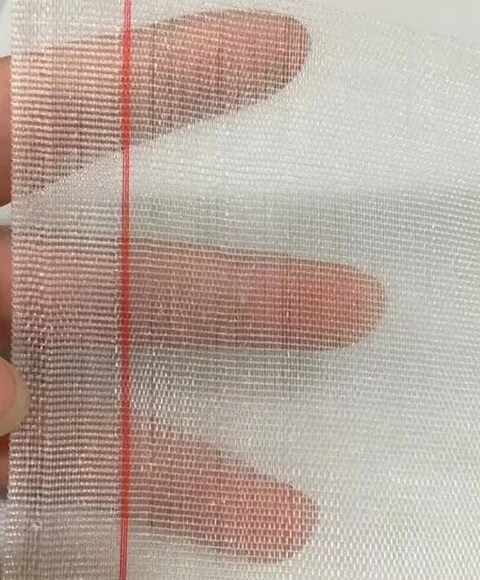
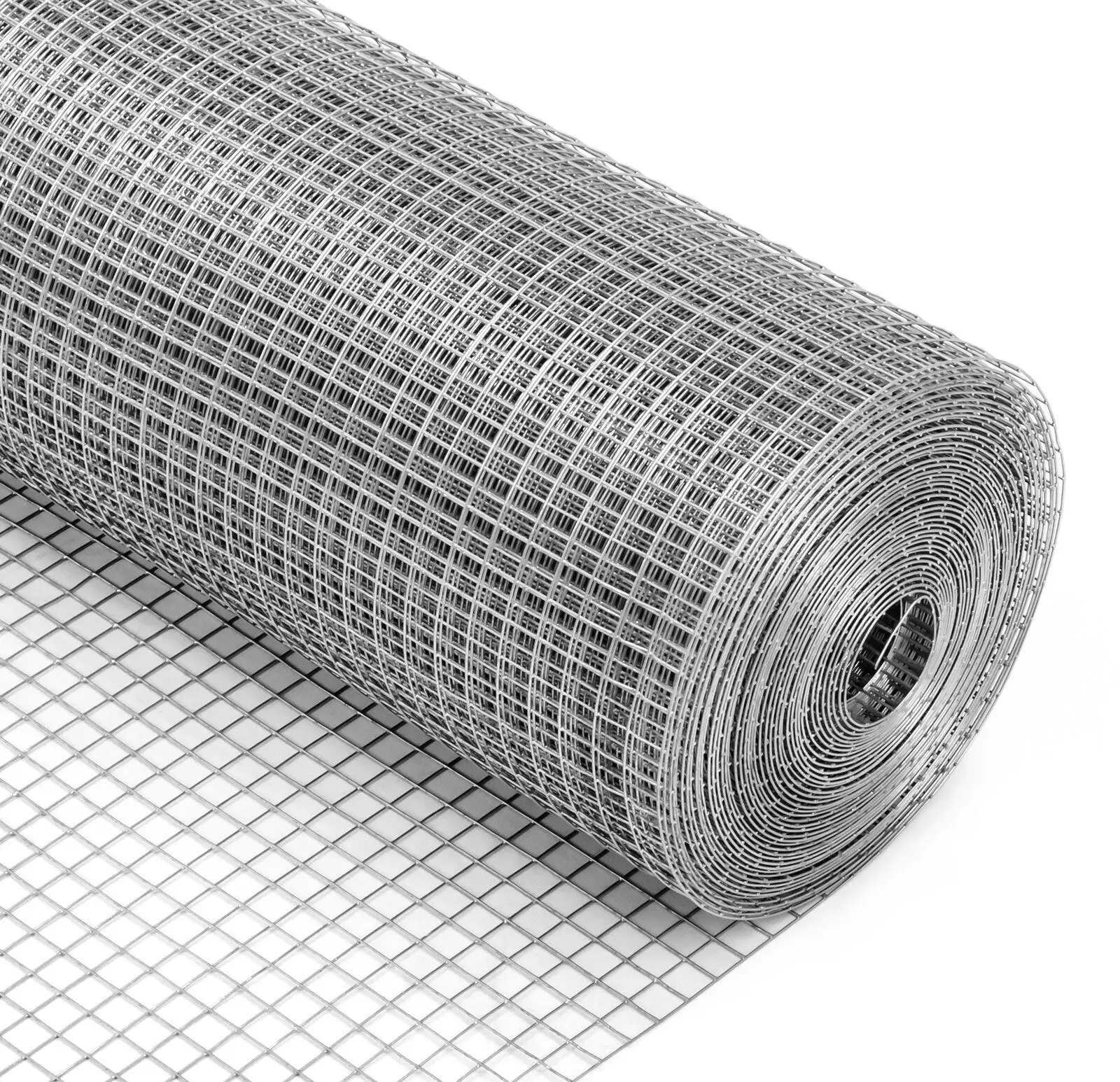
Simply put, steel stucco netting is a woven or welded wire mesh, typically galvanized to resist corrosion, used as a supportive framework for plaster or stucco in building exteriors and interiors. Think of it as a flexible skeleton that helps the plaster grip the building surface while distributing stresses evenly.
Beyond construction, its applications also touch humanitarian and emergency housing — providing a rugged yet lightweight solution when quick yet durable shelter reinforcement is necessary.
Core Features that Define Steel Stucco Netting
1. Durability
Steel mesh used in stucco is often galvanized or galvanized and PVC-coated, ensuring it can withstand moisture, rust, and environmental wear over decades. For builders, that means longer-lasting walls with fewer repairs.
2. Flexibility and Weight
Despite its strength, this mesh is surprisingly lightweight and flexible, making it easier to install on complex architectural shapes without compromising the integrity of the plaster.
3. Cost Efficiency
When you look at lifecycle costs, steel stucco netting presents good value. It minimizes cracking and peeling, which are both expensive to fix and often cause structural decline over time.
4. Compatibility
Whether you're working on traditional cement-based plaster or modern synthetic stuccos, this metal netting supports a range of mixtures and thicknesses. It’s sort of a universal enhancer for coatings.
5. Environmental Resistance
Galvanized steel handles humidity, salty air near coasts, and freeze-thaw cycles. These qualities make it suitable worldwide: from the salty Mediterranean coasts to inland parched zones.
Steel Stucco Netting Product Specification Table
| Specification | Detail |
|---|---|
| Material | Galvanized Steel Wire (0.5mm - 1.2mm diameter) |
| Mesh Size | 12.7mm x 12.7mm (1/2" x 1/2") typical |
| Coating | Zinc (Galvanized), optional PVC coating |
| Roll Dimensions | Roll width: 1m - 1.2m; Roll length: 30m |
| Tensile Strength | 400 - 550 MPa (depending on wire gauge) |
| Use Cases | Exterior stucco, plaster reinforcement, concrete surfaces, façade works |
Where Does Steel Stucco Netting Actually Get Used?
Its global footprint spreads wide — from modern housing developments in Europe to emergency shelters in Africa. In places like Japan and California, seismic zones demand walls that can handle movement and stress. Steel stucco netting plays a silent hero role here, holding plaster together when minor quakes shake the foundations.
In parts of Africa and the Middle East, NGOs incorporate this mesh to reinforce shelters quickly in post-disaster relief operations — basically creating a tough shell that feels safer for displaced families. Industrially, remote mining or oil extraction sites often use stucco-coated walls reinforced by this mesh to protect infrastructure from harsh weather.
If you ever wondered how some older buildings stay crack-free despite decades of weather abuse, it likely comes down to this mesh hidden beneath the surface layers.
Vendor Comparison Table: Popular Steel Stucco Netting Suppliers
| Supplier | Materials & Coating | Standard Roll Size | Typical Lead Time | Price Range (per roll) |
|---|---|---|---|---|
| YJ Wire Mesh | Galvanized steel, optional PVC coating | 1.2m x 30m | 2 weeks | $50 - $70 |
| MeshPro Supplies | Hot-dip galvanized, zinc coating only | 1m x 25m | 3 - 4 weeks | $45 - $65 |
| Global Netting Co. | Galvanized steel, available in stainless steel | 1.2m x 50m | 4 weeks | $75 - $90 |
The Long-Term Perks of Choosing Steel Stucco Netting
On the surface, it might seem like just another construction accessory. But steel stucco netting’s deep benefits become clear over years — or decades. It reduces costly repairs caused by cracks and delamination, saving building owners a fair amount. From a sustainability perspective, fewer repairs mean less material wastage and less carbon footprint over a building’s lifecycle.
Emotionally and socially, the mesh supports structures that protect families and businesses. A crack-free, secure façade adds trust and dignity to homes. Innovators working on eco-friendly cement composites often use steel netting, which helps these novel materials better endure real-world conditions.
What’s Next? Innovations and Trends on the Horizon
If you peek into R&D labs, you'll find research on polymer-coated steel mesh that lasts longer in corrosive environments, or hybrid nets mixing steel with fiberglass to combine strength with flexibility. Digital manufacturing is helping customize mesh patterns precisely tailored to new architectural designs — basically a smart net for smart buildings.
Green building policies, boosted by ISO and LEED certifications, are pushing demand for eco-friendly reinforcing materials, so expect steel stucco netting to evolve alongside nanomaterial coatings and anti-bacterial treatments. Automation in installation is another emerging trend, reducing labor costs and speeding build times.
Challenges & How Experts Tackle Them
Frankly, netting isn't without challenges. Corrosion remains a primary enemy, especially where coatings get damaged or compromised over time. Also, improper installation can lead to plaster failure, the very thing the mesh is supposed to prevent.
Skilled installation is crucial — many firms now provide training and certification for applicators, ensuring mesh is properly anchored and overlapped. Technological advances such as galvanized wires with higher-quality zinc layers and PVC coatings also extend product life.
FAQ: Frequently Asked Questions About Steel Stucco Netting
- Q: How does steel stucco netting improve the longevity of plaster walls?
A: By providing a stable framework that distributes stresses and prevents cracks from propagating, steel stucco netting ensures plaster adheres evenly and remains intact longer, even under environmental stresses like temperature changes or vibrations. - Q: Can steel stucco netting be used in areas with high humidity or salt air?
A: Yes. Galvanized steel netting, especially with PVC coatings, resists corrosion caused by moisture and salty environments, making it ideal for coastal constructions when regular inspections and maintenance are performed. - Q: Is installation of steel stucco netting complicated for irregular building shapes?
A: Not usually. The flexible nature of the mesh allows it to conform to curves and odd angles, making it adaptable and easy to fix with staples or fasteners during construction. - Q: Where can I source high-quality steel stucco netting for commercial projects?
A: Trusted suppliers like YJ Wire Mesh offer wide selections with certified quality and global shipping options to meet project demands. - Q: How do I ensure the steel stucco netting complies with building codes?
A: Look for materials meeting ISO 8501 or ASTM standards concerning galvanization and strength. Consulting with local building authorities is also advised.
Final Thoughts: Building Smarter with Steel Stucco Netting
Steel stucco netting might not catch headlines, but it quietly supports the growing needs of safer, sustainable construction worldwide. From its inherent durability to future-ready innovations, its role is central — whether you’re reinforcing a residential facade or helping build rapid shelter after a disaster. For anyone involved in building design, material sourcing, or construction management, appreciating this mesh’s versatility and reliability is a small investment with big payoffs.
Ready to explore quality solutions? Visit YJ Wire Mesh to connect with specialists offering a full range of steel stucco netting products tailored to your project’s needs.
Mini takeaway: Steel stucco netting is a silent yet essential hero in construction, cleverly combining strength, flexibility, and cost-efficiency — all while promising longer-lasting, more resilient structures.
References
- United Nations – World Urbanization Prospects (2018)
- Wikipedia: Stucco
- ISO Standards for Construction Mesh
-
High Quality Anti Bird Agro Net for Professional Crop ProtectionNewsApr.16,2026
-
Guide to Bird Netting Cost Per Square Foot and Material OptionsNewsApr.09,2026
-
Comprehensive Guide to Bird Netting Cost Factors and Material ChoicesNewsApr.07,2026
-
Comprehensive Guide to Bird Net for Balcony Cost and Installation OptionsNewsApr.04,2026
-
Comprehensive Guide to Bird Netting Price and Effective Protection SolutionsNewsMar.31,2026
-
Comprehensive Guide to Nylon Bird Net Price Factors and OptionsNewsMar.28,2026