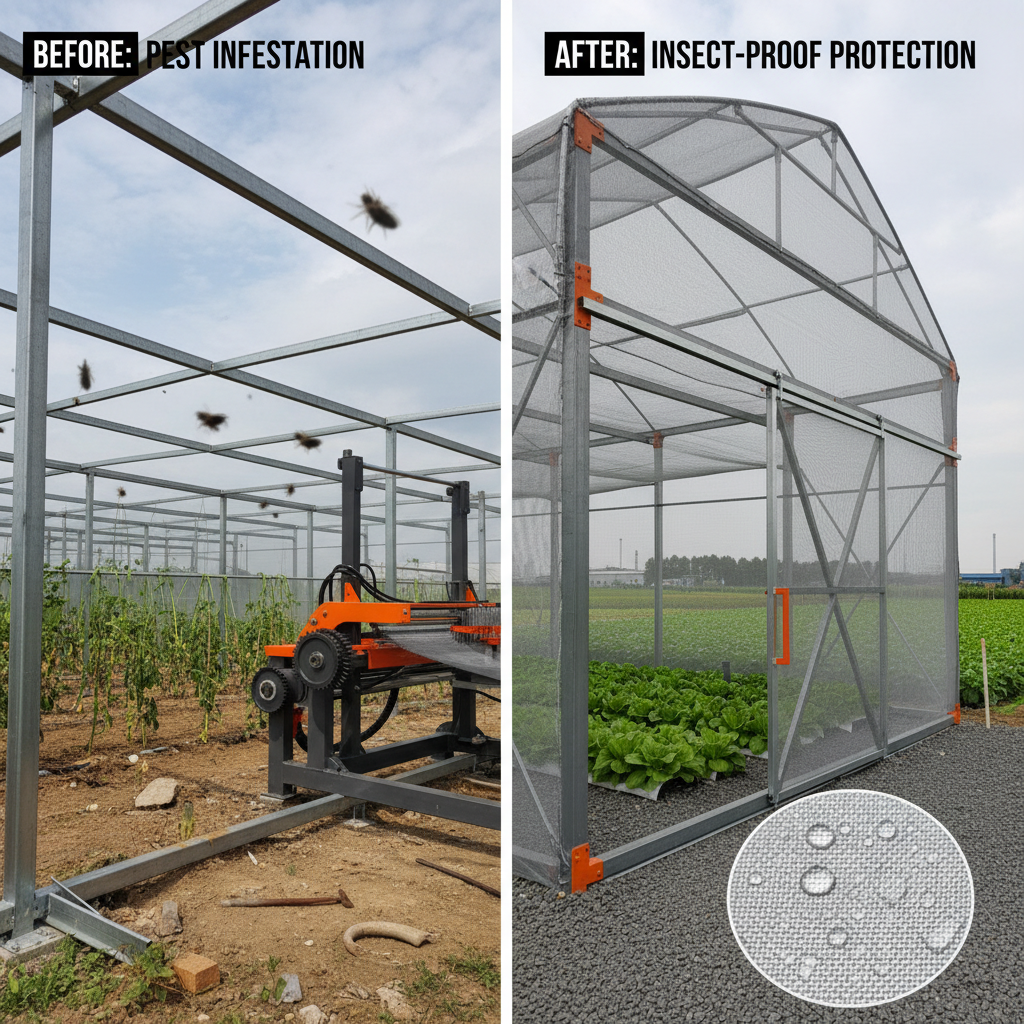
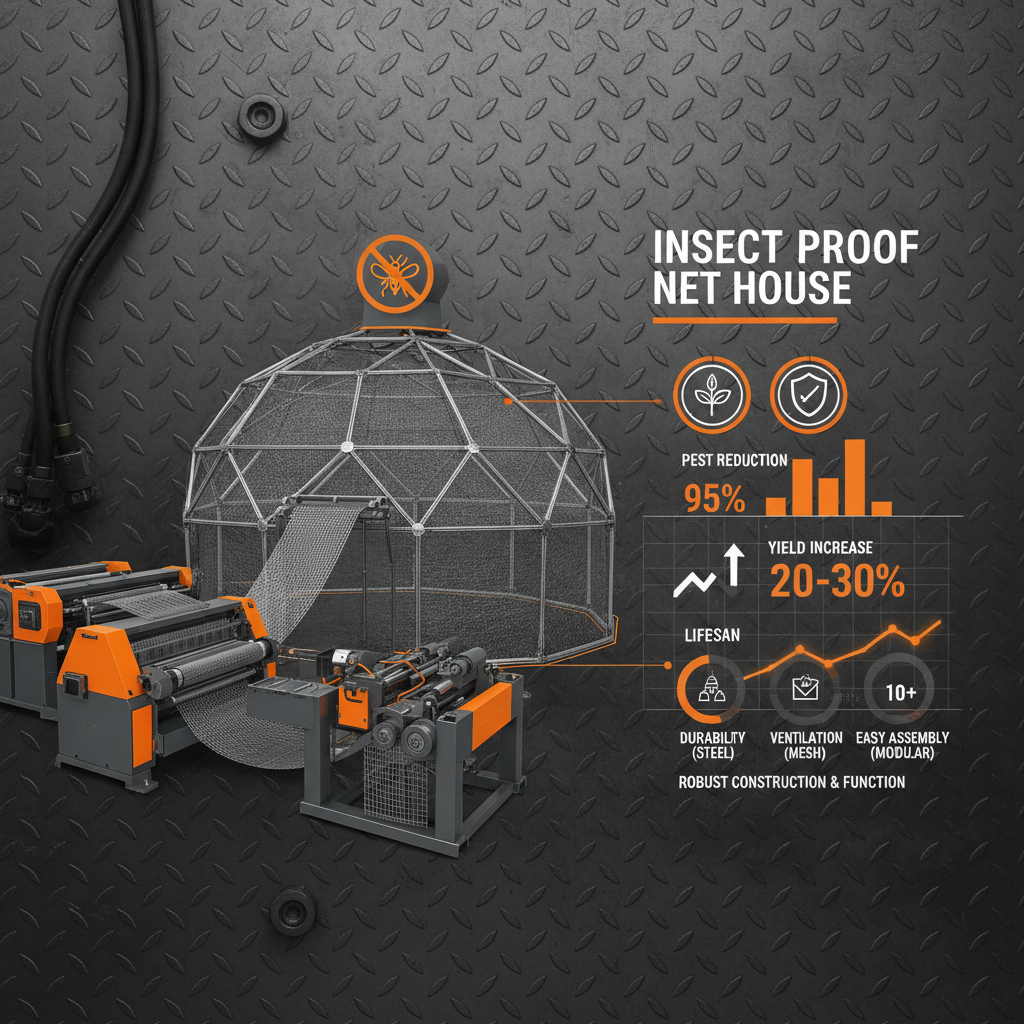
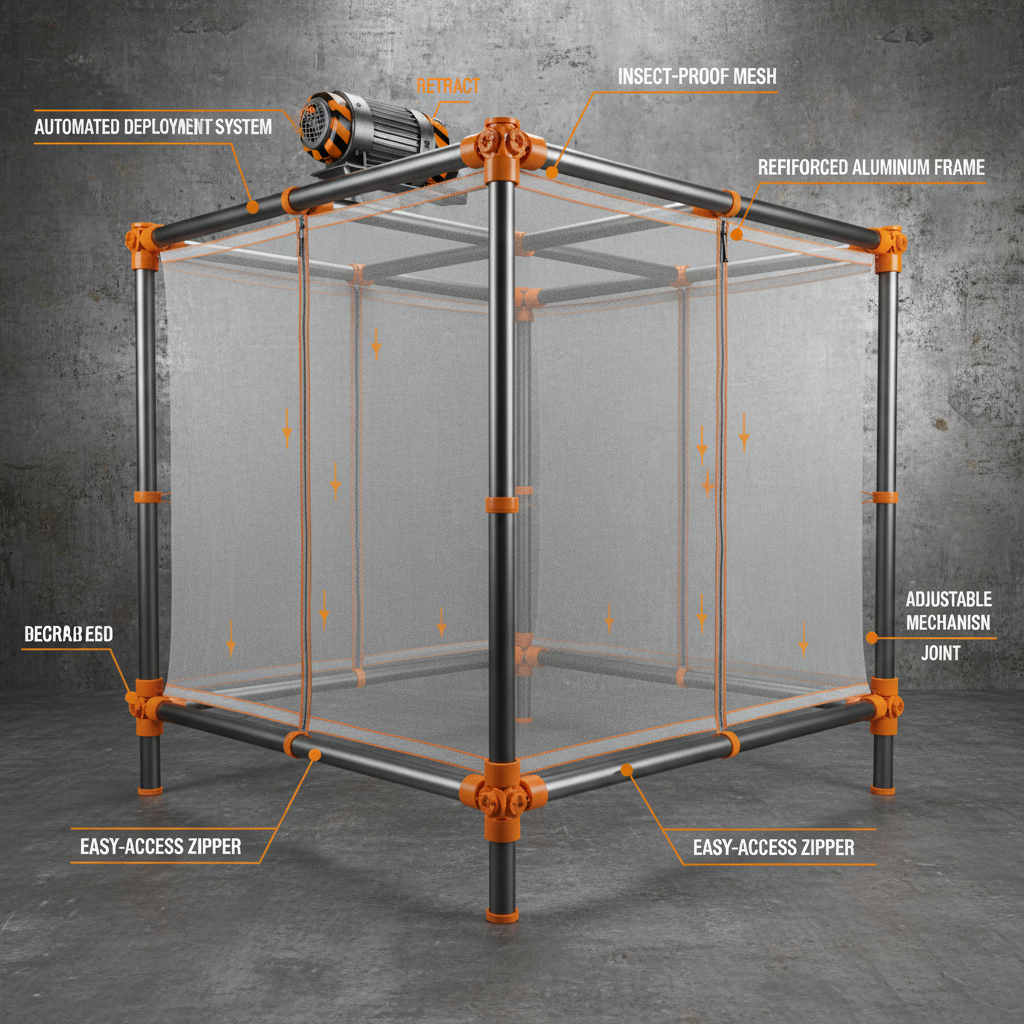
In the modern agricultural landscape, the implementation of an insect proof net house has become a cornerstone for sustainable crop protection. By creating a physical barrier between vulnerable plants and destructive pests, these structures significantly reduce the reliance on chemical pesticides, promoting a healthier ecosystem and safer food production.
The global demand for organic produce and high-yield farming has pushed the industry toward more sophisticated netting solutions. An effectively designed insect proof net house does not merely block pests; it optimizes the microclimate, managing airflow and light penetration to ensure that crops thrive while remaining shielded from the external biological threats.
Understanding the technical nuances of mesh density, material durability, and structural integrity is essential for any commercial grower. Investing in a high-quality insect proof net house ensures long-term operational stability and higher profitability by minimizing crop loss and improving the overall quality of the harvest.
Global Context and Importance of Insect Proof Net Houses
On a global scale, food security is increasingly threatened by the migration of invasive pest species, exacerbated by shifting climate patterns. According to FAO data, pest infestations can lead to crop losses of up to 40% annually in certain regions. The adoption of an insect proof net house serves as a critical strategic defense, allowing farmers to maintain productivity without escalating the chemical load on the soil.
Beyond mere survival, these structures enable the growth of high-value specialty crops in areas where pests would otherwise make cultivation impossible. By stabilizing the production environment, the insect proof net house helps bridge the gap between traditional farming and industrial-scale precision agriculture, ensuring a consistent supply of nutrient-dense food for growing populations.
Defining the Mechanism of Insect Proof Net Houses
At its core, an insect proof net house is a specialized enclosure constructed from high-density polyethylene (HDPE) or other polymer-based meshes. Unlike standard greenhouses, the primary objective here is physical exclusion. The mesh size is meticulously calibrated—often measured in microns or mesh-per-inch—to ensure that the specific target pests (such as whiteflies, aphids, or thrips) cannot penetrate the barrier, while still allowing air and light to pass through.
The connection to modern industry lies in the precision of the textile engineering. Modern insect proof net house systems utilize UV-stabilized materials that prevent the netting from degrading under intense sunlight, ensuring that the physical barrier remains intact for several growing seasons. This shifts the farming paradigm from "reactive" (spraying after infestation) to "proactive" (preventing entry entirely).
From a humanitarian perspective, these structures are invaluable in developing nations. By providing a low-energy method to protect crops, an insect proof net house empowers small-scale farmers to increase their yield and income without requiring expensive chemical inputs, thereby enhancing local food sovereignty and economic resilience.
Core Components for Maximum Protection
The effectiveness of an insect proof net house depends heavily on its material durability. High-grade UV protection is non-negotiable, as the constant exposure to solar radiation can cause polymers to become brittle. When the mesh maintains its tensile strength, the structure can withstand wind loads and accidental impacts without creating gaps that pests could exploit.
Scalability and ventilation are equally critical. A professional insect proof net house must balance the tight mesh required for pest exclusion with the need for adequate airflow to prevent fungal growth and heat stress. Advanced designs incorporate modular sections and double-door entry systems (airlocks) to ensure that insects are not accidentally let in during worker entry and exit.
Finally, cost-efficiency is achieved through the selection of the right mesh density for the specific pest profile of the region. Over-specifying a mesh can lead to unnecessary light reduction and higher costs, while under-specifying renders the insect proof net house useless. Expert calibration of the "pore size" ensures optimal plant growth while maintaining a sterile biological perimeter.
Practical Applications Across Diverse Regions
In the Mediterranean and Southeast Asian regions, where the humidity is high and pest pressure is constant, the insect proof net house is used extensively for high-value vegetable production. By controlling the environment, growers can produce "clean" crops that meet strict international export standards for pesticide residues, opening up lucrative markets in Europe and North America.
Furthermore, in remote industrial zones or research facilities, these structures are used to maintain genetically pure seed lines. The insect proof net house acts as a biological laboratory in the field, preventing cross-pollination by insects and protecting experimental hybrids from local pathogens, which is vital for the development of climate-resilient crop varieties.
Effectiveness of Various Insect Proof Net House Methods
Long-Term Economic and Environmental Value
The financial logic behind implementing an insect proof net house is based on the reduction of variable costs. While the initial capital expenditure for the structure is higher than open-field farming, the dramatic decrease in spending on chemical insecticides and the reduction in labor required for pest management lead to a rapid return on investment (ROI).
Environmentally, the impact is profound. By eliminating the need for broad-spectrum chemical sprays, the insect proof net house protects local pollinators, such as bees, which are often collateral damage in traditional pest control. This fosters a more balanced local ecosystem and aligns with the global shift toward regenerative and organic farming practices.
Innovations in Mesh Material Technology
The future of the insect proof net house is being shaped by nanotechnology. New "smart meshes" are being developed that can selectively filter light spectra to enhance photosynthesis while maintaining an impermeable barrier to pests. These materials are designed to be hydrophobic, reducing the accumulation of dust and dew, which ensures maximum light transmission throughout the day.
Automation is also playing a key role. Integrated sensors within the insect proof net house can now monitor internal temperature and humidity in real-time, triggering automated side-wall vents to maintain optimal conditions. This synergy of material science and IoT (Internet of Things) transforms a simple net house into a precision-controlled growth chamber.
Sustainability in manufacturing is another major trend. We are seeing a transition toward recyclable polymers and bio-based plastics for netting. This ensures that at the end of its lifecycle, the components of an insect proof net house do not contribute to plastic pollution, closing the loop on the environmental impact of agricultural infrastructure.
Overcoming Implementation Challenges
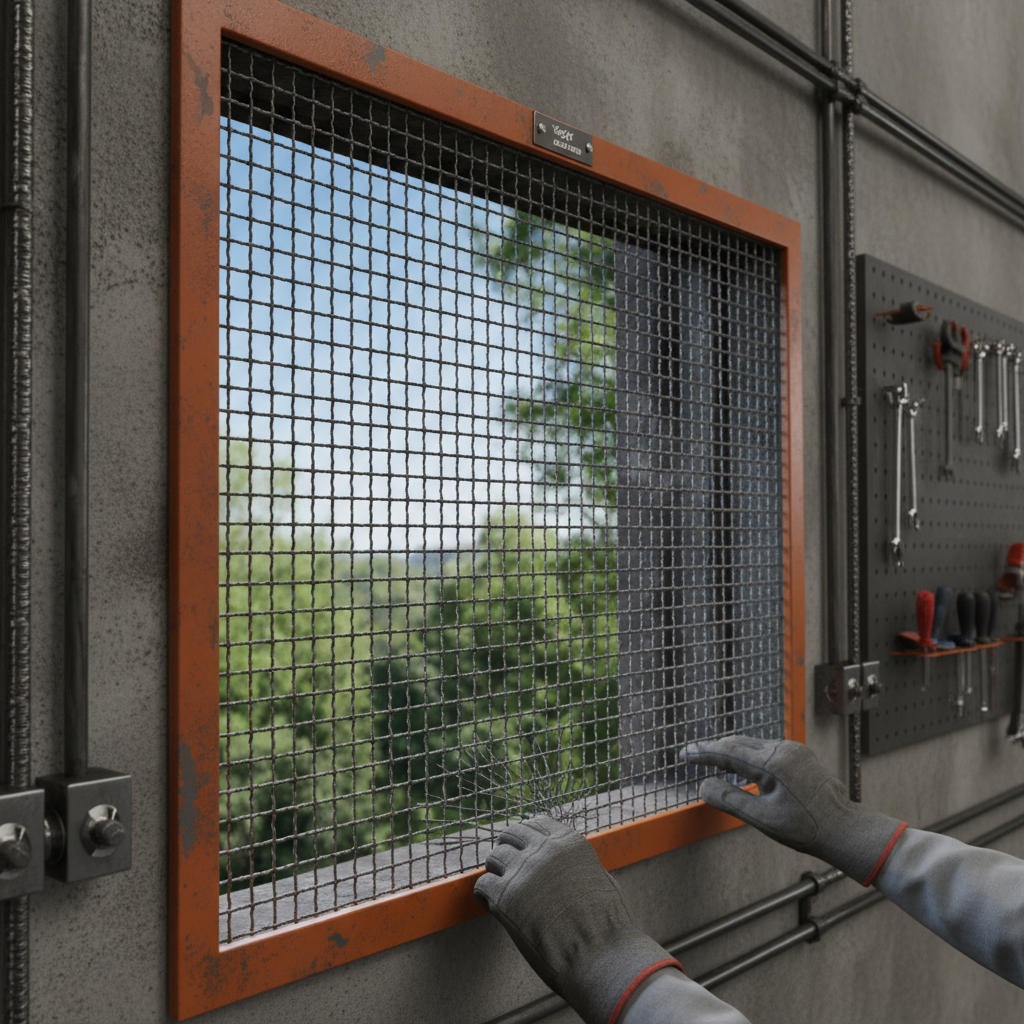
One of the primary challenges in deploying an insect proof net house is the "edge effect," where pests find small gaps in the seams or around the base. To solve this, industry experts recommend the use of buried mesh footings—where the netting is extended into the ground and buried—to prevent crawling insects from entering the perimeter.
Another common issue is the reduction in airflow, which can lead to higher humidity and fungal diseases like powdery mildew. The solution lies in the strategic use of "ventilation chimneys" and the selection of a mesh weave that optimizes the Venturi effect, pulling fresh air through the structure without compromising the pest barrier of the insect proof net house.
Finally, the high initial cost can be a barrier for smallholders. However, by adopting a modular approach—starting with a small insect proof net house and expanding as profits grow—farmers can manage their cash flow while gradually transitioning to a pest-free production model.
Analysis of Insect Proof Net House Material Performance
|
Material Type
|
Pest Exclusion Rate
|
Light Transmission
|
Lifespan (Years)
|
| HDPE (Standard) |
High |
85% |
3-5 |
| HDPE (UV-Stabilized) |
Very High |
82% |
5-8 |
| Stainless Steel Mesh |
Absolute |
90% |
15+ |
| Polymer Fine-Weave |
Maximum |
75% |
2-4 |
| Aluminized Nylon |
High |
70% |
4-6 |
| Bio-Polymer Mesh |
Medium-High |
88% |
2-3 |
FAQS
The ideal mesh size depends entirely on the target pest. For whiteflies and thrips, a very fine mesh (often 40-50 mesh) is required. However, for larger beetles or grasshoppers, a coarser mesh is sufficient and allows for better airflow. We recommend analyzing your local pest profile before selecting the weave to balance exclusion with ventilation.
While a greenhouse focuses on temperature and humidity control using plastic or glass, an insect proof net house focuses on physical exclusion. Greenhouses are designed to trap heat; net houses are designed to breathe while blocking pests. Many modern growers combine both, using netting as an outer layer for a greenhouse structure.
Yes, all netting reduces light transmission slightly, typically by 10% to 25% depending on the density. However, high-quality HDPE nets are designed to diffuse light, which can actually benefit plants by reducing leaf scorch and ensuring that lower leaves receive indirect sunlight, potentially increasing overall biomass.
The lifespan varies by material. Standard polyethylene nets may last 2-3 years, but UV-stabilized HDPE nets typically last 5-8 years. Stainless steel mesh versions can last 15 years or more. Regular maintenance, such as cleaning the mesh and checking for tears, can significantly extend the operational life of the structure.
Absolutely. In fact, an insect proof net house is one of the most recommended tools for organic farming. By providing a mechanical barrier to pests, it eliminates the need for synthetic chemical pesticides, making it much easier for growers to meet the stringent requirements of organic certification bodies.
The most effective method is the installation of a "double-door" system or a vestibule. This creates a buffer zone where the first door must be closed before the second is opened. Additionally, using heavy-duty magnetic closures or overlapping mesh curtains ensures that there are no gaps during entry and exit.
Conclusion
The implementation of an insect proof net house represents a critical evolution in agricultural protection, moving away from chemical dependency toward structural prevention. By integrating high-strength, UV-stabilized materials with strategic ventilation and secure entry systems, growers can achieve a stable, high-yield environment that protects both the crop and the surrounding ecosystem.
As we look toward the future of precision farming, the synergy between advanced material science and sustainable practices will only grow. We encourage producers to evaluate their specific pest challenges and invest in a tailored netting solution to ensure long-term profitability and environmental stewardship. For professional-grade solutions, visit our website: www.yjwiremesh.com