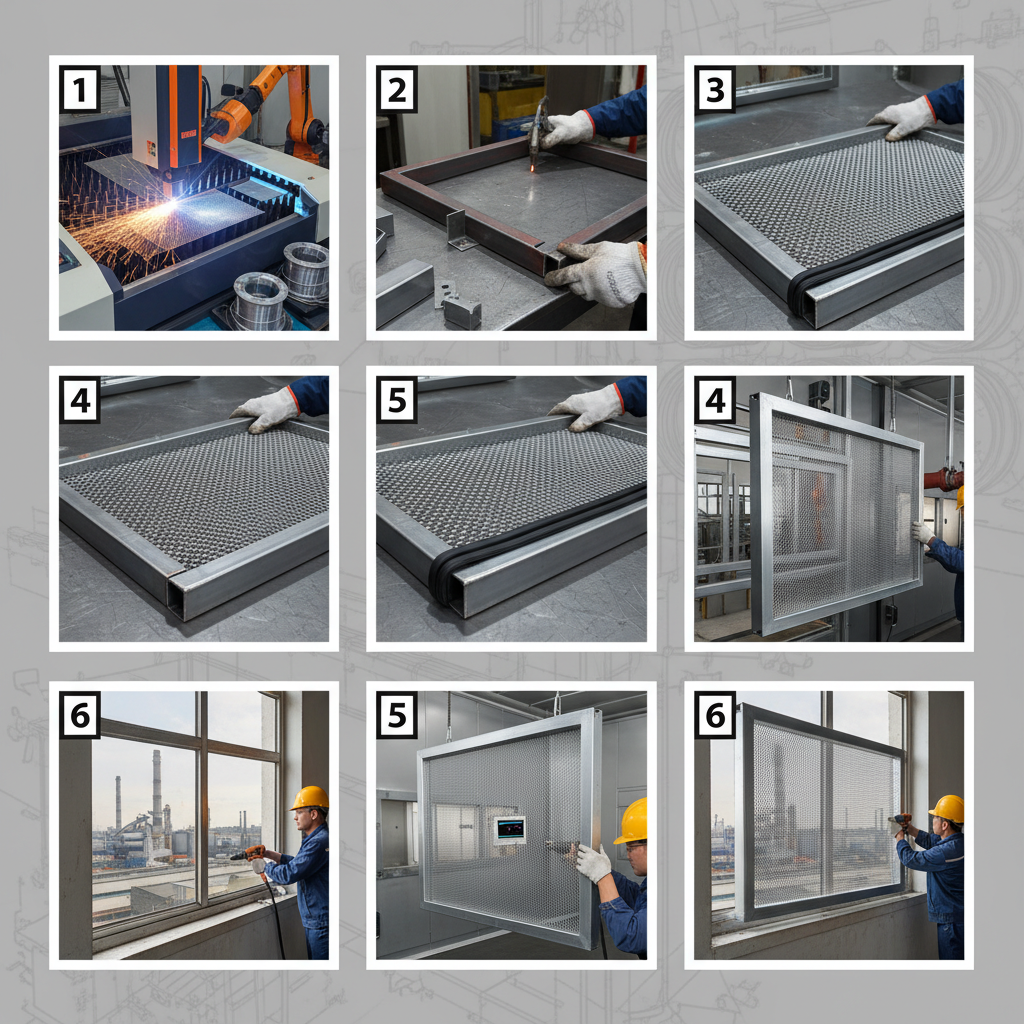
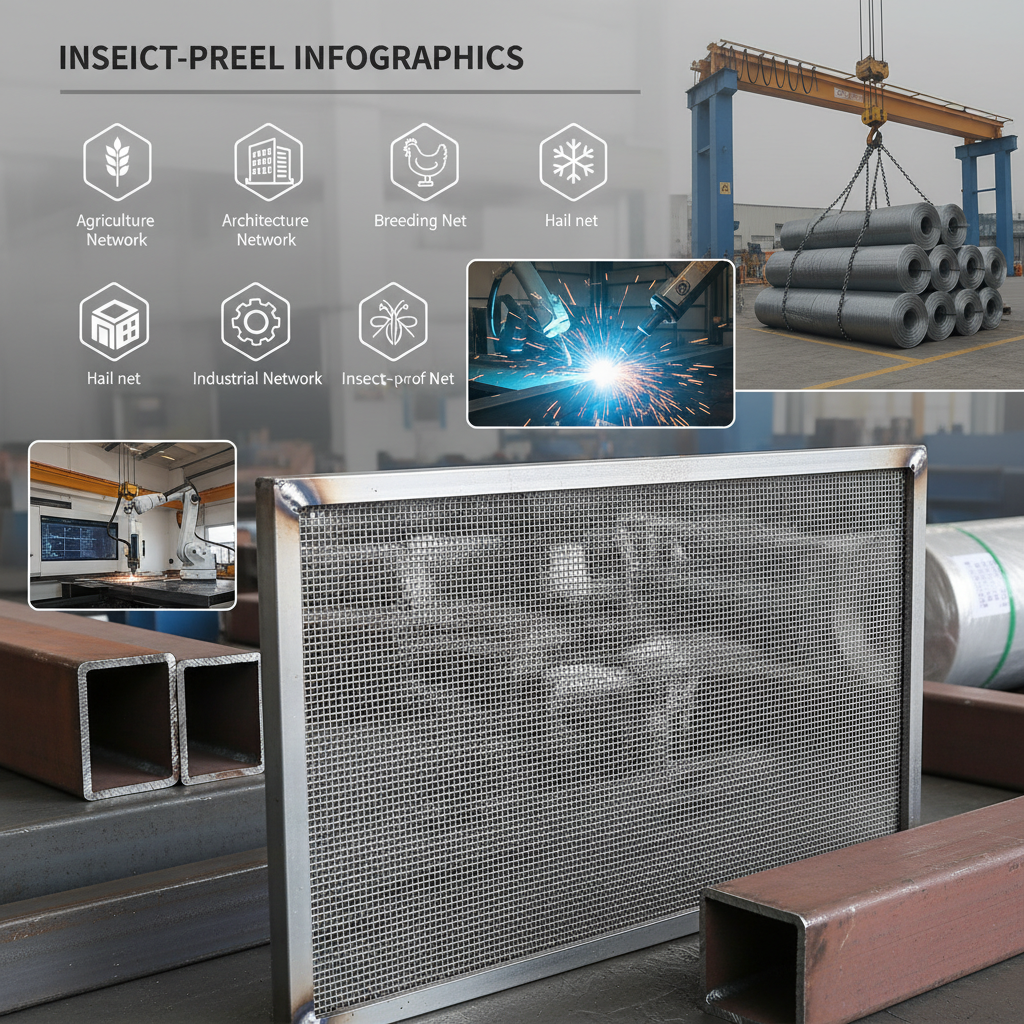
Maintaining a healthy and comfortable indoor environment often begins with a simple yet effective barrier: a high-quality window net to keep bugs out. In an era where urbanization and changing climate patterns have increased the prevalence of airborne pests, these specialized meshes serve as the first line of defense for residential and industrial spaces alike. By balancing airflow with exclusion, they ensure that fresh air circulates without inviting unwanted insects into the living area.
Beyond mere convenience, the implementation of a professional window net to keep bugs out is a critical component of public health and hygiene. Insects such as mosquitoes, flies, and midges are not just nuisances; they are vectors for various diseases. By utilizing advanced materials from the metal wire mesh industry, homeowners and facility managers can significantly reduce the reliance on chemical pesticides and aerosols, promoting a more sustainable and eco-friendly approach to pest control.
From a technical perspective, the evolution of the window net to keep bugs out has transitioned from simple fabrics to high-tensile stainless steel and reinforced polymers. These modern iterations focus on "invisible" integration, ensuring that the mesh does not obstruct the view or reduce natural lighting while maintaining a micron-level pore size capable of stopping even the smallest gnats. Understanding the nuances of material selection and installation is key to maximizing the longevity and efficiency of these barriers.
Global Relevance of Insect-Proof Window Mesh
On a global scale, the demand for a reliable window net to keep bugs out has surged due to the expanding habitat of disease-carrying insects. According to World Health Organization (WHO) data, vector-borne diseases account for a significant percentage of the global disease burden, particularly in tropical and subtropical regions. The installation of physical barriers is recognized as one of the most cost-effective and sustainable interventions to reduce transmission rates of malaria, dengue, and Zika virus.
In developed economies, the focus has shifted toward enhancing living quality and reducing the use of toxic chemical repellents. The industrialization of the metal mesh sector has allowed for the production of high-precision window nets that meet strict ISO standards for durability and permeability. This global shift underscores a move toward "passive protection," where the architectural design itself—integrated with high-performance mesh—eliminates the need for constant chemical intervention.
Defining the Window Net to Keep Bugs Out
At its core, a window net to keep bugs out is a precision-engineered porous barrier designed to allow the free passage of air and light while physically obstructing the entry of insects and other pests. Unlike simple curtains, professional window nets are fabricated from woven wires or extruded polymers, creating a consistent grid pattern where the "opening size" is calculated based on the morphology of the target pests.
In the context of modern manufacturing, these nets are no longer generic products but are tailored to specific environmental needs. For instance, an "insect-proof net" used in an agricultural greenhouse requires different permeability and UV resistance compared to a luxury residential window screen. The intersection of material science and architectural design ensures that these nets provide a seamless transition between indoor comfort and outdoor ventilation.
Furthermore, the humanitarian application of these nets is profound. In disaster-relief housing or temporary shelters, the rapid deployment of a bug-proof window system can prevent the outbreak of insect-borne illnesses in crowded conditions. This transforms the product from a mere home accessory into a vital tool for public health safety and human dignity.
Core Components of Effective Bug Barriers
The effectiveness of a window net to keep bugs out is primarily determined by its material composition. Stainless steel (grade 304 or 316) is favored for high-durability requirements due to its corrosion resistance and structural integrity, while fiberglass and polyester offer flexibility and cost-efficiency for standard residential applications.
A critical technical factor is the "Mesh Count," which refers to the number of openings per linear inch. For a window net to keep bugs out to be truly effective against smaller insects like no-see-ums, a higher mesh count is required, although this must be balanced against the "Airflow Coefficient" to ensure the room does not become stuffy.
Installation stability is the third pillar of performance. Whether using magnetic frames, sliding tracks, or fixed tension bars, the seal between the window net to keep bugs out and the window frame must be airtight. Even a millimeter-wide gap can render the most expensive mesh useless, as insects are naturally drawn to the light and scents leaking through openings.
Performance Metrics of Mesh Materials
Selecting the right window net to keep bugs out requires an analysis of trade-offs between visibility, strength, and airflow. While a denser weave blocks more pests, it can potentially reduce the amount of natural light entering a room. Engineers use standardized rating systems to help consumers choose a material that matches their specific climate and pest pressure.
The following data illustrates how different types of window nets perform across key operational metrics. By analyzing these ratings, one can see that high-tensile stainless steel provides the best longevity, while specialized polymer nets often lead in visibility and ease of installation.
Comparative Performance of Window Net to Keep Bugs Out Types
Global Applications and Sector Use Cases
The application of a window net to keep bugs out extends far beyond the bedroom window. In the industrial sector, particularly in food processing and pharmaceutical plants, "Insect-proof Networks" are mandatory to comply with health and safety regulations. These environments utilize heavy-duty metal meshes that can withstand rigorous cleaning protocols and high-pressure airflow without sagging or tearing.
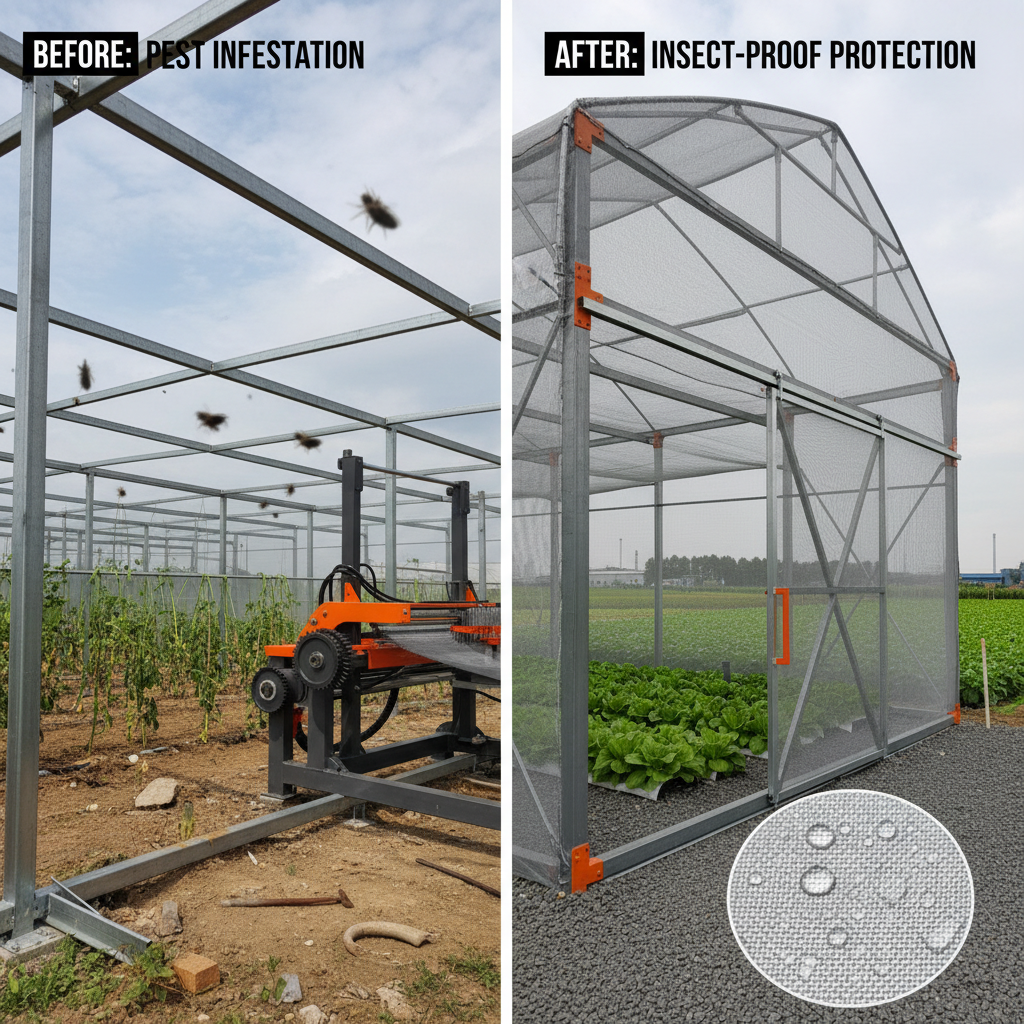
In the agricultural sector, specifically within "Breeding Nets" and "Insect-proof Net" categories, these screens protect high-value crops and livestock from pests that carry plant viruses or animal parasites. From remote industrial zones in Southeast Asia to high-tech greenhouses in the Netherlands, the precision of the mesh prevents crop failure and reduces the need for systemic pesticides, creating a more organic and safer food supply chain.
Long-Term Value and Sustainability Benefits
Investing in a high-quality window net to keep bugs out offers significant long-term economic value. While the initial cost of stainless steel mesh may be higher than disposable plastic versions, its lifespan can span decades. This reduces the waste generated by frequent replacements, aligning with global sustainability goals to reduce landfill contributions and resource depletion.
From a psychological and emotional perspective, the presence of an effective bug barrier transforms the home into a sanctuary of safety and dignity. The ability to open windows for fresh air and natural ventilation without the fear of insect invasion reduces stress and improves sleep quality. This logical link between physical infrastructure and mental well-being is often overlooked but is a primary driver for the high-end architectural mesh market.
Furthermore, the reliability of professional-grade nets builds trust in the built environment. Whether it is a hospital trying to maintain a sterile environment or a home protecting children from mosquito-borne illness, the confidence provided by a secure window net to keep bugs out is an invaluable asset that enhances the overall quality of life.
Future Innovations in Window Net Technology
The future of the window net to keep bugs out is being shaped by nanomaterials and smart coatings. Researchers are currently developing "photo-catalytic" meshes that not only block bugs but also break down organic pollutants and odors from the air as it passes through the screen. This transforms a simple barrier into an active air-purification system.
Digital transformation is also playing a role, with the integration of automated retractable systems controlled by AI. These systems can detect the presence of pests or monitor external air quality and wind speed to automatically deploy or retract the window net to keep bugs out, ensuring optimal ventilation while maintaining maximum protection.
Sustainability is the ultimate driver, with the industry moving toward 100% recyclable alloys and bio-based polymers. The goal is to create a circular economy where old window screens are collected and re-smelted into new products, minimizing the carbon footprint of the manufacturing process.
Analysis of Technical Specifications for Various Window Net Types
| Material Type |
Durability Score (1-10) |
Air Permeability |
Pest Exclusion Rate |
| 316 Stainless Steel |
10 |
High |
99.9% |
| 304 Stainless Steel |
9 |
High |
99.8% |
| Powder-Coated Alu |
7 |
Medium |
98.5% |
| Fiberglass Mesh |
5 |
Very High |
97.0% |
| HDPE Polymer |
6 |
High |
96.0% |
| Composite Alloy |
8 |
Medium |
99.2% |
FAQS
For coastal environments, 316 Grade Stainless Steel is the superior choice. Unlike standard aluminum or 304 steel, 316 steel contains molybdenum, which provides exceptional resistance to chloride corrosion caused by salt spray, ensuring the mesh doesn't rust or degrade over time.
While a higher mesh count (smaller holes) does slightly increase air resistance, high-quality professional nets are engineered to minimize this effect. By using thinner, high-strength wires, manufacturers can maintain a tight barrier against bugs while allowing sufficient ventilation for indoor comfort.
Replacement frequency depends on the material. Fiberglass nets may need replacing every 3-5 years due to UV degradation. However, stainless steel window nets are designed to last 15-20 years or more, provided they are cleaned occasionally to remove dust buildup.
Yes, but you must select a "micro-mesh" or a high-density weave. Standard screens may have openings too large for tiny midges. A specialized window net to keep bugs out with a mesh count of 20x20 or higher is typically required for complete exclusion of micro-insects.
Initially, yes. Metal nets require more complex manufacturing and materials. However, when calculating the "cost-per-year," metal is often cheaper because it does not tear easily and doesn't need frequent replacement, offering a much higher return on investment.
The best method is using a vacuum cleaner with a soft brush attachment to remove surface dust. For deeper cleaning, a gentle solution of soap and water with a soft sponge is recommended. Avoid abrasive scrubbers, especially on coated or polymer meshes, to prevent micro-tears.
Conclusion
In summary, the implementation of a high-quality window net to keep bugs out is a strategic fusion of health safety, architectural utility, and environmental sustainability. From the technical selection of 316 stainless steel for coastal regions to the application of micro-meshes for extreme pest exclusion, the right barrier does more than just block insects—it enables a healthier, more natural way of living by reconnecting indoor spaces with the outdoors without compromising safety.
As we move toward smarter, more sustainable cities, the evolution of these barriers into active air-purifying and automated systems will further enhance our quality of life. We encourage homeowners and industrial planners to prioritize durability and precision over short-term cost, as a permanent, high-performance bug barrier is an investment in long-term wellness and peace of mind. Visit our website for professional solutions: www.yjwiremesh.com